Introduction
Experiencing a leg JJ CARE damage may also be each physically and emotionally taxing. The aftermath traditionally brings about a myriad of sensations, such as ache, swelling, and typically surprising symptoms like temperature alterations between the legs. If you may have ever wondered why one leg may perhaps sense less warm than the other after an damage, you might be no longer by myself. This phenomenon can confuse many, top to questions about underlying causes and needed activities for recuperation.
In this entire article, we're going to delve deep into the practicable purposes at the back of having one leg less warm than the other submit-harm. We will explore the whole lot from vascular things to nerve smash, delivering clarity on how those reasons come into play. Armed with insights from scientific execs and analysis findings, you’ll advantage a more beneficial working out of your frame’s responses to trauma.
One Leg Colder Than the Other? Understanding Potential Causes Post-Injury
When we talk about injuries, the focus sometimes lies on seen indicators like bruising or swelling. However, alterations in temperature also can suggest deeper considerations. One leg feeling chillier than the alternative should recommend a disruption in blood move or nerve role due to the an harm.
What Happens to Your Body After an Injury?
After maintaining an damage, your body enters a frustrating cure technique characterized by means of infection and tissue fix. This organic reaction is imperative for recovery however may additionally result in issues consisting of altered blood move.
- Inflammation: Inflammation leads to improved blood waft inside the injured location; alternatively, it's going to set off decreased move in different places. Nerve Damage: Injuries affecting nerves can disrupt indications despatched between your brain and limbs.
This interaction among inflammation and move is needed whilst pondering why one leg would possibly feel chillier than any other after an injury.
Common Types of Leg Injuries
Understanding in style leg injuries enables contextualize the various factors that might make a contribution to temperature discrepancies:
Sprains: Overstretching or tearing ligaments. Strains: Injury to muscle tissues or tendons. Fractures: Broken bones normally bring about excessive swelling and might impact circulation. Contusions: Bruises attributable to direct affect; those also can keep blood pass briefly.Each style of harm carries its distinctive implications for blood glide and nerve objective.
Circulatory Issues Leading to Temperature Differences
One outstanding purpose one leg would possibly believe chillier than one more includes circulatory things that get up put up-damage:
- Vasoconstriction: Blood vessels constrict round an injury web page as section of the treatment process yet also can inadvertently restrict blood offer elsewhere. Blood Clots: A severe possibility following prime accidents; clots can hinder widely used blood flow, causing temperature transformations.
If you believe you studied circulatory issues after an harm, consulting a healthcare legitimate is indispensable for analysis and remedy.
Neurological Factors Influencing Leg Temperature
Injuries affecting nerves—rather those hooked up to sensory feedback—can lead to one leg feeling less warm:
- Nerve Compression: Edema from swelling may compress regional nerves. Nerve Damage: Traumatic accidents can sever or damage nerves totally.
Understanding these neurological implications sheds faded on why a few persons expertise temperature versions after sustaining leg injuries.
Assessing Symptoms Beyond Cold Legs
Recognizing other signs accompanying bloodless legs submit-harm is quintessential for exact contrast:
- Swelling Numbness or tingling Pain levels Changes in dermis color
These signs deliver clues with regards to underlying situations that require scientific awareness.
FAQs About One Leg Colder Than The Other Post-Injury
1. Why might one leg be less warm than the alternative after an injury?
One leg is perhaps less warm with the aid of disrupted blood circulate or nerve perform attributable to trauma.
2. What must I do if my injured leg feels cold?
Consult with a healthcare company for correct analysis and medication suggestions.
three. Can icing guide with temperature changes?
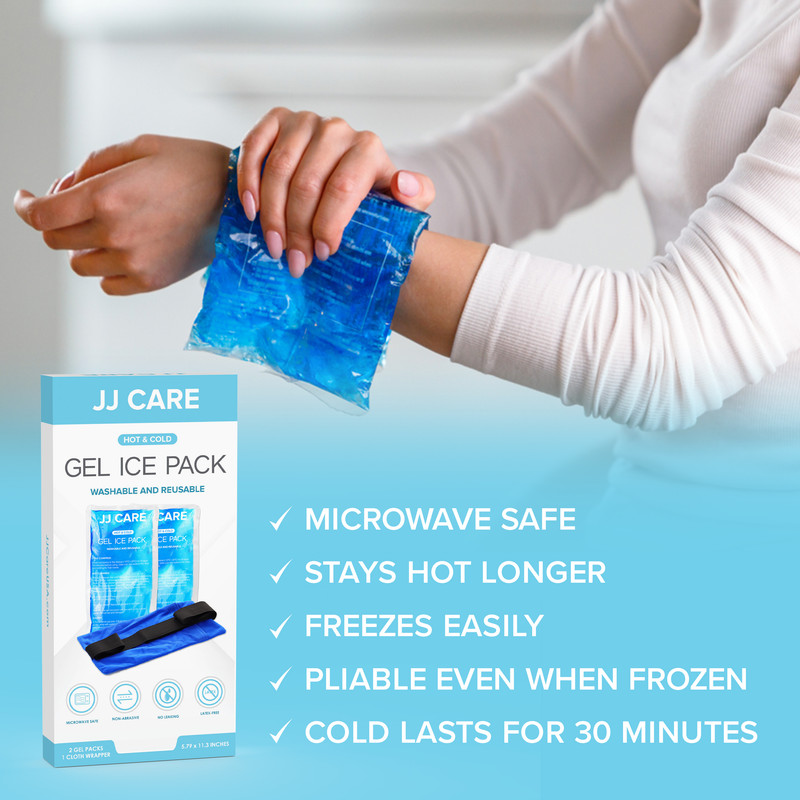
Applying ice packs at the swollen part can aid with irritation but could be carried out carefully.
4. How long have to I leave ice packs on my injured leg?
Typically, ice packs may want to be applied for 15–20 minutes at a time each and every hour as mandatory for the duration of the primary 48 hours post-injury.
five. Are there any domestic treatment plans for bettering move?
Gentle circulate and elevation can support fortify blood waft even as reducing swelling.
6. Is it that you can think of that chilly legs indicate whatever thing more severe?
Yes, persistent coldness ought to endorse vascular matters or nerve hurt that necessitates reputable contrast.
Potential Treatment Options for Cold Legs Post-Injury
Addressing one leg being chillier than the opposite submit-injury requires concentrated interventions established on diagnosed reasons:
Physical Therapy Techniques
Physical medication plays a principal position in rehabilitation:
Strengthening exercises Range-of-action techniques Manual therapyThese programs advance flow and restoration nerve objective over the years.
Medication Management
Over-the-counter medications along with NSAIDs (e.g., ibuprofen) aid minimize inflammation at the same time improving convenience phases for the time of recovery.
Surgical Interventions for Severe Cases
In severe eventualities in which break is wide:
Surgical repair of torn ligaments Procedures addressing vascular obstructionsDiscussing suggestions with an orthopedic specialist ensures clarity related to obligatory methods headquartered on someone situations.
Conclusion
Experiencing one leg chillier than the alternative after an harm is extra frequent than you could believe; nevertheless it, know-how its explanations complements recuperation efforts notably. By spotting skills circulatory things or neurological motives in touch during this condition, humans can take counseled steps towards restoring balance within their our bodies post-trauma.
Whether by using physical healing or medical intervention, addressing those signs head-on empowers sufferers in their treatment ride—top-rated them again in the direction of preferable health and wellbeing more readily and successfully!
This article serves now not solely as informative content material yet also as a publication because of advanced bodily responses following injuries concerning temperature discrepancies among limbs—a subject matter deserving careful exploration!